
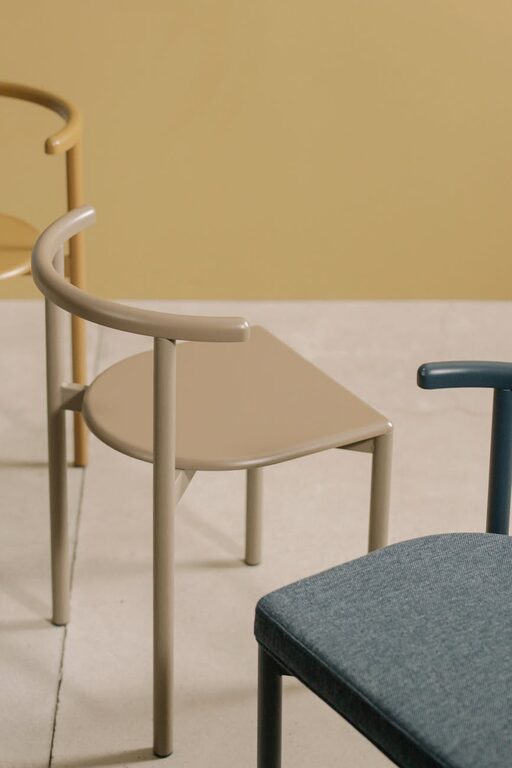
Creating a peaceful and inviting home environment often begins with the colors you choose for your walls and décor. Calm colors have the power to soothe the mind, reduce stress, and promote relaxation. Whether you’re redecorating a single room or your entire home, selecting the right hues can make all the difference.
In this post, we’ll guide you through practical tips to help you choose calm colors that enhance tranquility and comfort in your living space.
Why Choose Calm Colors?
Calm colors tend to be soft, muted, and neutral tones that create a sense of spaciousness and ease. Unlike bold or bright colors that energize, calming colors help foster serenity. This can be especially valuable in spaces where you unwind, such as bedrooms, living rooms, or reading nooks.
By incorporating these hues, you can create an environment that feels restful and balanced, promoting well-being for everyone in your home.
Popular Calm Color Choices
Here are some commonly used calm colors that work well in various rooms:
– Soft blues: Evoke the peacefulness of the sky or water; excellent for bedrooms and bathrooms.
– Gentle greens: Remind us of nature and growth; great for living rooms and kitchens.
– Warm beiges and taupes: Provide a cozy, neutral backdrop; versatile across most spaces.
– Muted lavenders: Offer a subtle sense of calm and elegance.
– Light grays: Bring a modern calmness, pairing nicely with many accent colors.
Tips for Choosing the Right Calm Colors
1. Consider the Room’s Purpose
Think about how you use the room before selecting a color. Calm colors for a bedroom might lean toward soft blues or lavenders that help with sleep, whereas a living room might benefit from warm neutrals that encourage relaxation and conversation.
2. Test Colors in Different Lighting
Colors look different depending on natural and artificial lighting. Paint sample patches on your walls and observe them at different times of the day to see how they shift in varying light conditions.
3. Use Color Theory Basics
Understand complementary colors and how they affect mood. For calm, focus on analogous colors — hues next to each other on the color wheel, like blue and green — that blend smoothly without sharp contrast.
4. Limit Bold Accents
While calm colors dominate, small accents in contrasting tones can add interest without overwhelming the space. For instance, a soft gray wall with pale blue cushions creates a harmonious vibe with subtle variation.
5. Embrace Matte and Satin Finishes
Glossy finishes can feel harsh and reflective. Matte or satin paint finishes tend to give walls a softer, more muted appearance that enhances calmness.
6. Coordinate With Your Home’s Style
Make sure your calm colors complement the overall décor and furnishings, so everything feels cohesive. For example, Scandinavian design blends beautifully with light grays and soft whites, while rustic styles pair well with muted greens and warm earth tones.
Creating a Calm Color Palette
Designing a balanced palette is key to maintaining tranquility without monotony. Here’s a simple approach:
– Base color: Choose a neutral or very light tone for walls and main surfaces.
– Secondary color: Add another calm color for furniture or large accents.
– Accent color: Use one or two muted tones for smaller decor items like pillows, art, or rugs.
For example, you might select light beige walls, sage green curtains, and dusty blue throw pillows.
Additional Tips for a Relaxing Home Atmosphere
Incorporate natural elements
Adding plants, wooden furniture, or natural fibers like linen adds texture and warmth, complementing calm colors perfectly.
Keep spaces uncluttered
Minimalism helps calm colors shine by avoiding chaotic visuals that disrupt the tranquil vibe.
Use soft lighting
Opt for warm bulbs and layered lighting like lamps and candles to enhance the peaceful mood.
Conclusion
Choosing calm colors for your home doesn’t have to be overwhelming. By understanding the mood each hue creates, testing colors in your space, and thoughtfully combining tones, you can design a soothing environment that supports relaxation and peace.
Remember, the perfect calm color is one that makes you feel at ease every time you step into your home. Start experimenting today and enjoy the calming transformation of your living space!
