
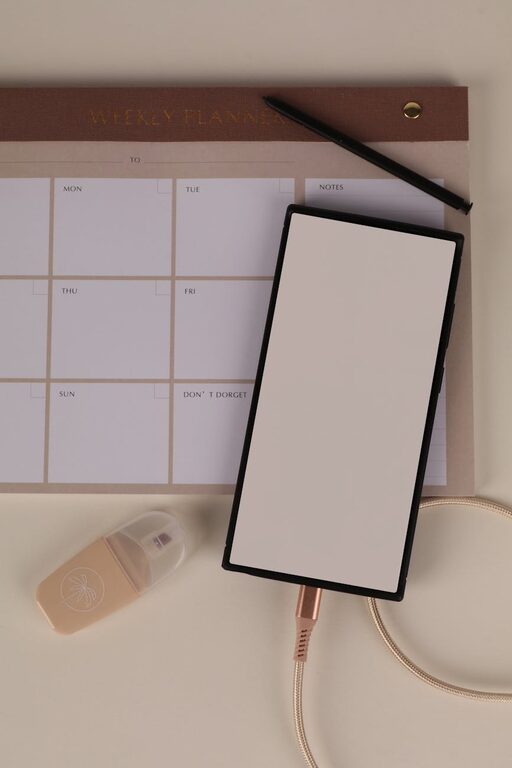
Creating a weekly reset routine is a powerful way to refresh your mind, organize your tasks, and set yourself up for success in the coming days. By dedicating time each week to reset your goals, review your progress, and plan your schedule, you can reduce overwhelm and maintain better focus throughout the week.
In this post, we’ll walk you through how to design a weekly reset routine that suits your lifestyle and helps you feel balanced and prepared.
Why You Need a Weekly Reset Routine
It’s easy to let busy days blur into one another, leading to burnout or missed priorities. A weekly reset routine offers several benefits:
– Clarity: Helps you review what’s done and what still needs attention.
– Focus: Allows you to prioritize your most important tasks.
– Stress Reduction: Creates a mindful pause to recharge mentally and physically.
– Improved Planning: Gives you a clear roadmap for the upcoming week.
When to Schedule Your Weekly Reset
Choosing the right day and time for your reset routine is key.
– Pick a Consistent Time: Select a time that you can stick to each week, such as Sunday evening or Monday morning.
– Consider Your Energy Levels: Some prefer weekends for reflection, while others like to start fresh on Monday.
– Block Out Distractions: Find a quiet moment where interruptions are minimal.
Experiment and pick a time that feels natural and sustainable for you.
Elements of an Effective Weekly Reset Routine
Your weekly reset routine can be simple or elaborate, but including these core elements will enhance its effectiveness:
1. Reflect on the Past Week
Spend a few minutes reviewing the previous week by asking yourself:
– What went well?
– What challenges did I face?
– Which goals or tasks did I complete?
– What lessons did I learn?
This reflection helps you acknowledge successes and identify areas for improvement.
2. Clear and Organize Your Space
A tidy environment can improve your focus and mood. Use your reset time to:
– Declutter your workspace.
– Organize your digital files and emails.
– Prepare materials or tools for upcoming tasks.
3. Review and Update Your Goals
Check in on your short- and long-term goals:
– Are you on track?
– Do any goals need adjustment or reprioritizing?
– Are there new goals to add?
Updating your goals keeps them relevant and actionable.
4. Plan Your Upcoming Week
Map out your schedule and tasks for the coming days:
– Note important appointments or deadlines.
– Break down larger projects into manageable steps.
– Allocate time blocks for focused work and breaks.
Using a planner, calendar app, or to-do list can help keep everything organized.
5. Prioritize Self-Care
Include activities that nurture your wellbeing, such as:
– Scheduling time for exercise or stretching.
– Planning healthy meals.
– Setting aside moments for relaxation or hobbies.
Balancing productivity with self-care ensures sustainable energy.
Sample Weekly Reset Routine
Here is a sample routine you can customize to fit your needs:
- **Set aside 30-60 minutes** on Sunday evening.
- **Reflection** (10 minutes): Journal or think about your week’s wins and lessons.
- **Declutter** (10 minutes): Tidy your desk and sort emails.
- **Review goals** (10 minutes): Check progress and adjust plans.
- **Plan the week** (20 minutes): Schedule tasks, appointments, and self-care.
- **Relax** (10 minutes): Do a calming activity like meditation or light stretching.
Tips for Sticking With Your Routine
– Start Small: Begin with a 15-minute routine and expand as it feels comfortable.
– Use Reminders: Set calendar alerts or alarms.
– Make it Enjoyable: Add music, candles, or a favorite beverage.
– Be Flexible: Adapt the routine if life gets busy but commit to coming back to it.
– Celebrate Progress: Acknowledge how your routine helps improve your week.
Tools That Can Help
– Digital planners or apps: Todoist, Google Calendar, Trello.
– Habit trackers: Habitica, Loop.
– Journals or notebooks: For reflection and goal setting.
– Timers: Use the Pomodoro technique to keep tasks focused.
Final Thoughts
Designing a weekly reset routine is a simple but effective way to regain control of your time and energy. It doesn’t have to be complicated—just a consistent, intentional moment to pause, review, and prepare.
Try creating your own routine today and notice how a little weekly reset can make a big difference in your productivity and overall wellbeing!
