
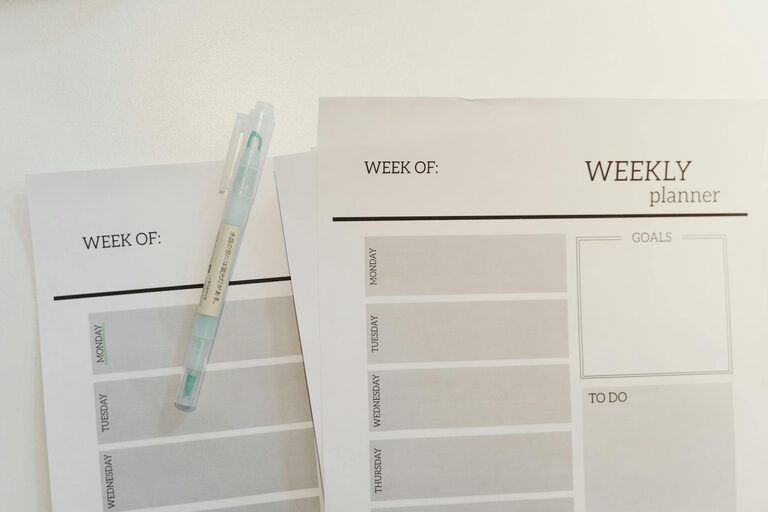
Setting goals is a cornerstone of personal and professional growth. However, many people struggle with setting goals that are both meaningful and achievable. Weekly goals, in particular, offer a perfect balance—they are close enough to keep you motivated and flexible enough to adjust as needed. In this post, we’ll explore how to set realistic weekly goals that help you stay focused and productive.
Why Set Weekly Goals?
Weekly goals serve as manageable milestones toward larger aspirations. Unlike annual or monthly goals, weekly goals break down big plans into actionable tasks. This approach helps you maintain momentum, track progress regularly, and adapt quickly.
By setting weekly goals, you:
– Clarify your priorities
– Build consistent habits
– Avoid procrastination by creating deadlines
– Celebrate small wins to stay motivated
– Reduce overwhelm through manageable steps
Steps to Set Realistic Weekly Goals
1. Reflect on Your Bigger Picture
Before setting your weekly goals, take a moment to review your long-term objectives. What do you want to achieve in the next few months? Identifying this helps ensure that your weekly goals align with your overall vision and don’t distract you from what matters most.
2. Take Stock of Your Time and Energy
Consider how many hours each day you realistically have for focused work. Factor in commitments like family, social activities, and rest. Also, be honest about your energy levels. Are you a morning person or do you work best later in the day? Planning goals around your natural rhythms increases your chances of success.
3. Prioritize Your Tasks
Make a list of potential weekly goals and rank them by importance and impact. Ask yourself:
– Which goals will bring me closest to my major objectives?
– Which tasks require immediate attention?
– What can I realistically complete this week without stress?
Choose a few key goals rather than tackling too many at once.
4. Break Goals Into Smaller, Actionable Steps
Large goals can feel overwhelming. Break each goal into smaller tasks or milestones that you can complete within a day or two. For example, if your goal is “Write a blog post,” split it into research, outlining, writing, editing, and publishing. This makes progress measurable and manageable.
5. Use the SMART Criteria
Make sure your weekly goals are SMART:
– Specific: Clear and well-defined
– Measurable: Trackable progress or outcomes
– Achievable: Realistic given your resources and time
– Relevant: Aligned with broader goals
– Time-bound: Set within your weekly timeframe
For instance, instead of “Exercise more,” set “Exercise for 30 minutes on Monday, Wednesday, and Friday.”
6. Plan Your Week in Advance
Dedicate time, such as Sunday evening or Monday morning, to plan your weekly goals. Use a planner, digital calendar, or goal-setting app. Schedule specific times for your tasks to create a visual roadmap and increase accountability.
7. Build Flexibility
Unexpected events happen. Allow for some buffer time in your schedule to accommodate delays or urgent priorities. Being flexible helps reduce stress and keeps you motivated throughout the week.
Tips to Stay On Track with Weekly Goals
Track Your Progress Daily
Keep a simple checklist or journal to note what you accomplish each day. Tracking progress reinforces motivation and lets you adjust goals as needed.
Limit Your Focus
Avoid multitasking across too many goals. Focus on 2–4 main weekly goals to enhance quality and reduce burnout.
Share Your Goals
Tell a friend, coworker, or mentor about your weekly goals. This adds a layer of accountability and encouragement.
Celebrate Small Wins
Acknowledge each milestone you reach during the week. Celebrating progress fosters positive habits and confidence.
Reflect and Adjust
At the end of the week, review what worked and what didn’t. Use these insights to improve your goal-setting process moving forward.
Example of a Weekly Goal Plan
| Goal | Tasks | Time Estimate | Status |
|—————————-|———————————–|—————|————-|
| Write and publish a blog post | Research topic, write draft, edit, upload images, publish | 5 hours | In progress |
| Exercise three times | Gym on Mon/Wed/Fri for 30 minutes | 1.5 hours | Completed |
| Organize workspace | Sort papers, clean desk, file documents | 2 hours | Not started |
Final Thoughts
Setting realistic weekly goals is a simple yet powerful way to structure your time and energy. By aligning your tasks with your broader vision, breaking them into manageable steps, and regularly reviewing your progress, you can make steady improvements without feeling overwhelmed. Start small, stay consistent, and watch how these weekly wins move you closer to your bigger dreams.
Happy goal-setting!
